

Why Am I Bloated? Common Causes and Solutions
Bloating is something I often see in clinic. It is uncomfortable and can make you feel sluggish or heavy after every meal. Many people assume it’s just “normal”, but frequent bloating is oftentimes your body sending a message – and there are many practical ways to reduce it.
Understanding Bloating
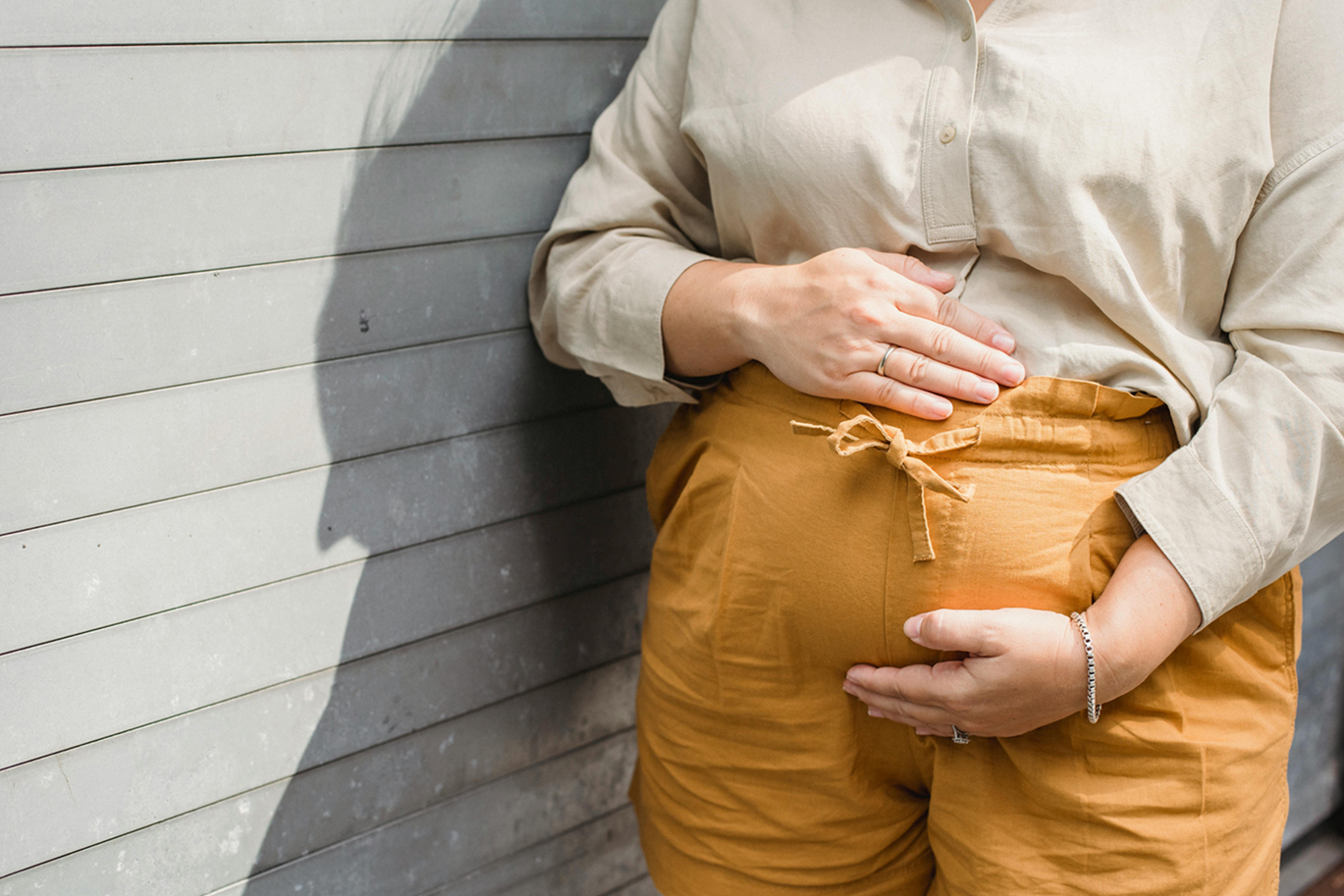
Bloating occurs when your gut is retaining gas or fluid, or when food isn’t moving efficiently through your digestive system. It can be triggered by many factors: what you eat, how you eat, how your gut works, your hormones, your blood sugar, and even how your liver functions.
Occasional bloating after a large meal is normal. Persistent bloating, however, is worth looking at more closely.
Common Causes of Bloating
Poor Digestion of Fats and Proteins
Fat and protein digestion rely on bile from the liver and gallbladder, as well as pancreatic enzymes. If your liver is sluggish or bile flow is reduced, fats may not break down efficiently, leading to bloating, gas, or floating stools.
Low Fibre or Imbalanced Fibre Intake
Fibre is essential for gut motility and feeding beneficial bacteria. Too little fibre can slow digestion, while a sudden increase can create gas. Ensure that you eat plenty of vegetables, fruit, and wholegrains, whilst limiting white flour products such as bread and pasta.
Blood Sugar Swings
Large meals high in refined carbohydrates or sugar can lead to spikes and crashes in blood sugar. This can trigger bloating, cravings, and fluid retention. Make sure that you combine carbs with protein and healthy fats to keep digestion smooth and energy steady.
Gut Microbiome Imbalance
An overgrowth of certain gut bacteria can produce excess gas and cause bloating. Antibiotics, stress, and diet can all impact microbiome balance. Once again, eat plenty of fibre as it provides fuel for the beneficial bacteria. Fermented foods such as yogurt and sauerkraut can help restore harmony.
Stress and Hormone Fluctuations
It’s important to know that stress slows gut motility and can increase bloating.- Hormones — particularly oestrogen and progesterone — affect fluid balance and digestion. Many women notice bloating before their period due to these hormonal shifts.
Food Sensitivities or Intolerances
Lactose, fructose, gluten, and other common sensitivities can cause bloating, gas, or loose stools. Eliminating or reducing trigger foods such as these can lead to significant relief. Personally, I prefer to improve gut function so that over time the gut is less sensitive to these triggers.
Practical Strategies to Reduce Bloating
Eat Mindfully
Slow down and chew thoroughly. Eating quickly can cause you to swallow air, which contributes to gas and bloating.
Support Liver and Bile Function
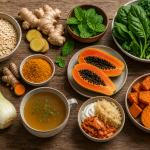
Include bitter greens, artichoke, and foods rich in sulphur (like broccoli and cabbage) to help stimulate bile. Proper bile flow improves fat digestion and reduces bloating.
Balance Meals for Blood Sugar
Pair carbohydrates with protein and natural fats to avoid spikes and crashes. For example, oats with chia seeds and almond butter can be gentler on digestion than oats alone.
Prioritise Fibre
Introduce soluble fibres like oats, psyllium, or pumpkin slowly, combined with insoluble fibres from leafy greens and vegetables. This helps support healthy motility without excess gas.
Manage Stress
Short walks, gentle movement, or calming breathing exercises can stimulate digestion and reduce bloating. Even five minutes after meals can make a difference.
Identify Trigger Foods
Keep a simple food diary to track patterns. If certain foods consistently cause bloating, reduce or remove them temporarily while you work on gut support.
When to Seek Support
If bloating is persistent, painful, or accompanied by:
- Significant weight changes
- Diarrhoea or constipation
- Blood in stools
- Fatigue or other systemic symptoms
It’s important to investigate further with a qualified health professional. Bloating isn’t just uncomfortable; it can also signal issues in digestion, liver function, or metabolism that are worth addressing.
Simple Daily Habits for a Flatter, Happier Gut
- Drink plenty of water throughout the day
- Include small servings of bitter greens or liver-supporting foods
- Move gently after meals
- Eat balanced meals with protein, fats, and carbs
- Manage stress with short breathing or mindfulness exercises
Bloating is common, but it’s not something you have to accept as normal. Paying attention to your digestion, supporting your liver, balancing blood sugar, and tuning into hormonal patterns can make a real difference – and it often improves energy, mood, and overall wellbeing too.